Keeping roofers cool with the tools already on the jobsite.
Heat kills construction workers at staggering rates
While construction workers make up roughly 6% of the US workforce, they account for 36% of all heat-related occupational deaths. Roofers are 7x more likely to die from heat exposure than the average construction worker. As average temperatures continue to rise, the risk these workers face grows with every season.
Despite being critical to our society, roofers are often overlooked, undervalued, and neglected by the world of design. This project focused on roofers for two reasons: they face the most extreme conditions of any trade, and a solution that works on a 150-degree roof can transfer to other heat-exposed professions.

Overlooked, undervalued, and working in 150-degree heat
Roofing is physically demanding, and crews are paid by the job, not by the hour. As 1099 subcontractors, they manage their own equipment, safety, and insurance. The financial incentive is to work fast. In Tempe, AZ, crews arrive at 4-5 AM, take a rest break at 9 AM, break for lunch at noon, and wrap up by 3 PM as roof surface temperatures climb past 150°F.
The contractor focuses on speed, quality, and protecting her professional reputation. The crew leader balances productivity with his team's safety. The roofer wants to stay safe and comfortable, but finishing faster means earning more. Any solution has to work for all three.
Existing solutions fail because they ignore how roofing actually works
Many cooling products exist, but none are widely adopted by roofers. The perceived value of current solutions is less than their perceived cost. They require too much energy, don't cool long enough, restrict movement on the roof, and interfere with the body's natural perspiration. Cooling alone is not enough incentive for adoption.
Designing a practical solution requires understanding roofing's power dynamics and incentives. OSHA regulates safety, unions protect workers, and insurance compensates for injury, but the crews themselves bear the daily burden of heat. Heat exposure costs the US economy roughly $100 billion annually. That cost is distributed across contractors, crew leaders, workers, and insurers, yet none of the existing products address the ecosystem as a whole.
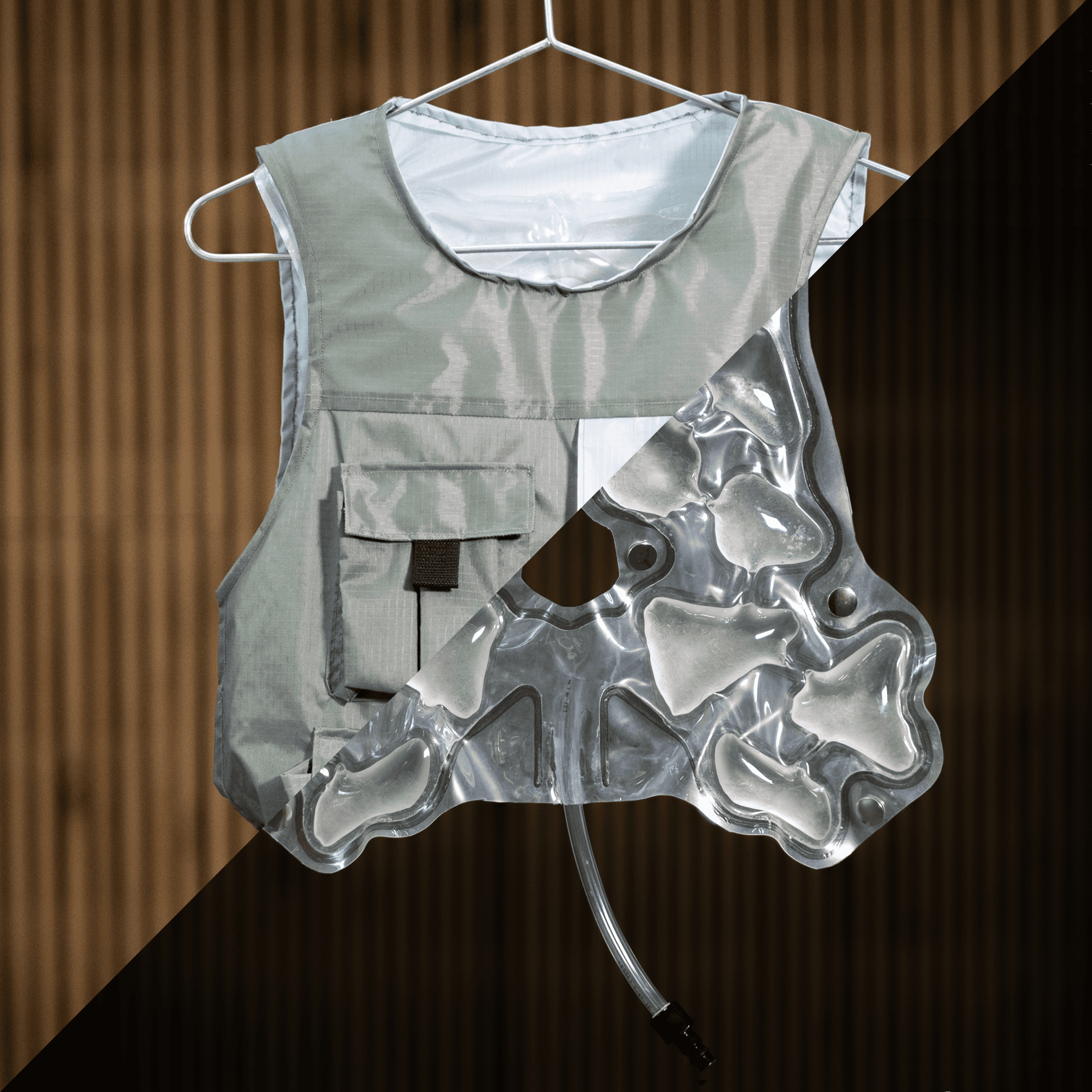
ColdForm combines three existing technologies into a novel cooling vest: compressed air, a vortex tube, and phase change material (PCM).
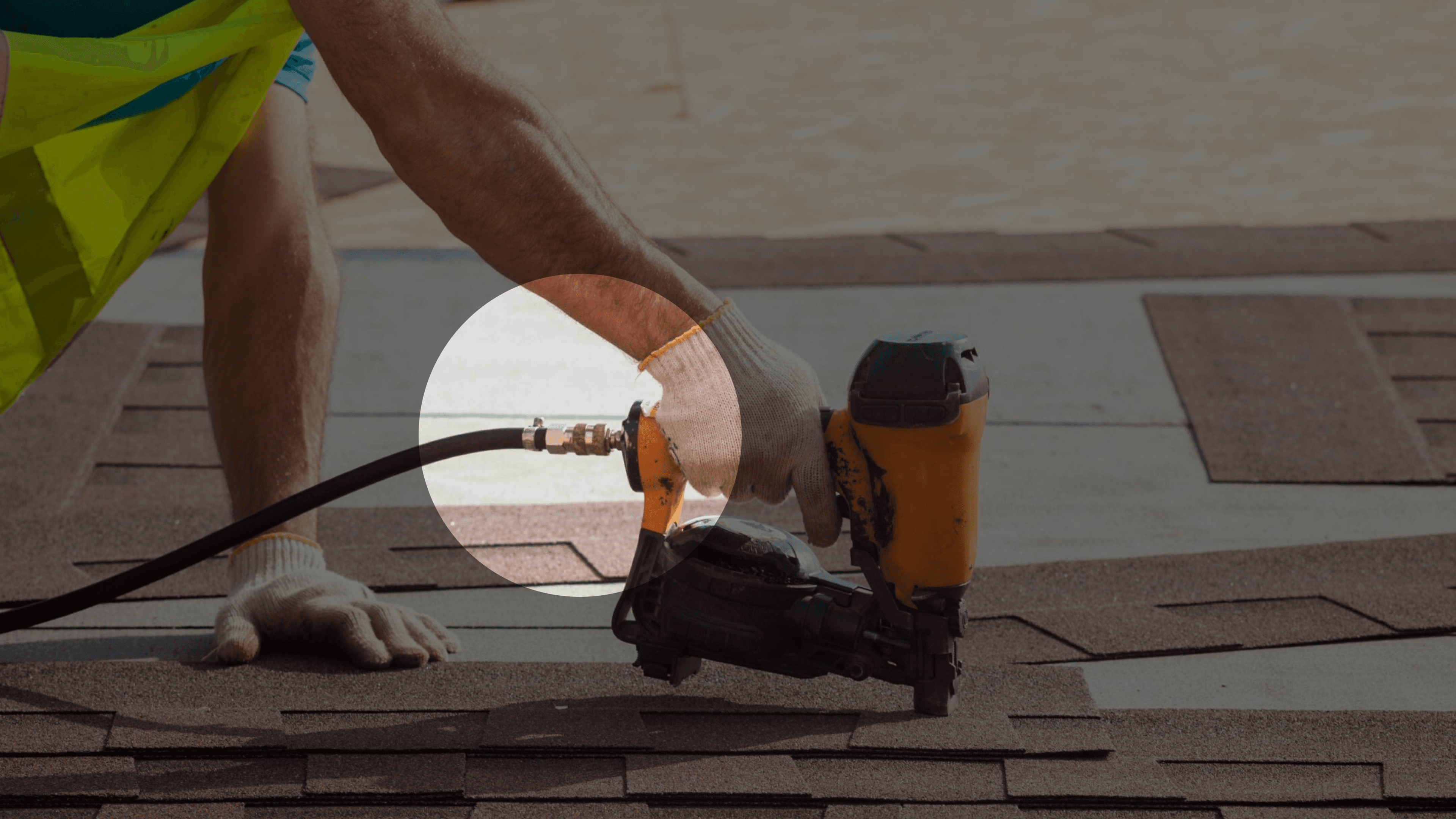
The vest connects to the same compressed air line that powers nail guns on the roof. A quick-connect fitting lets roofers swap between their nail gun and the vest in seconds. No batteries, no charging stations, no new infrastructure.
A simple device with no moving parts that splits compressed air into a hot stream and a cold stream. The hot air is exhausted; the cold air flows through channels inside the vest to cool the wearer and recharge the cooling material.
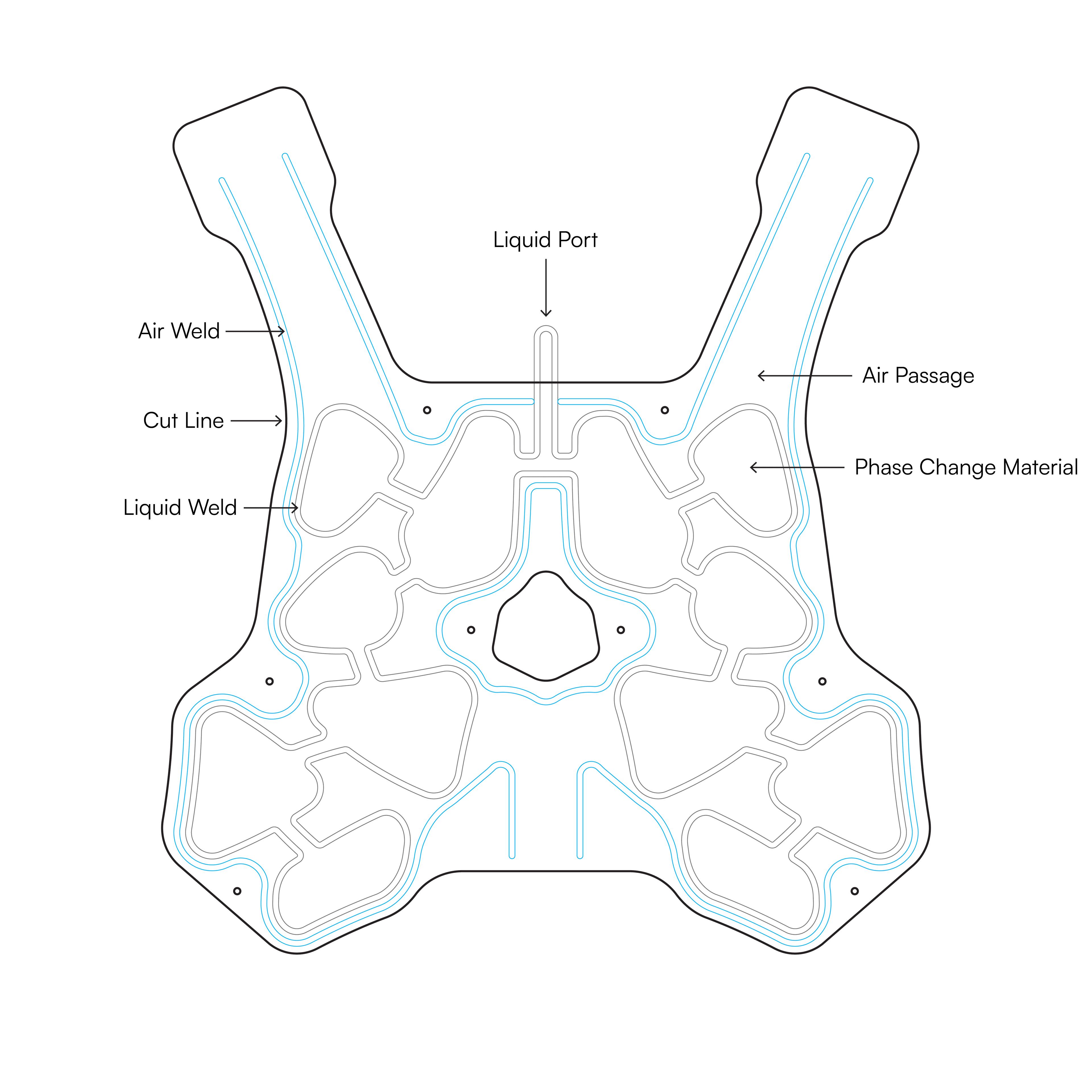
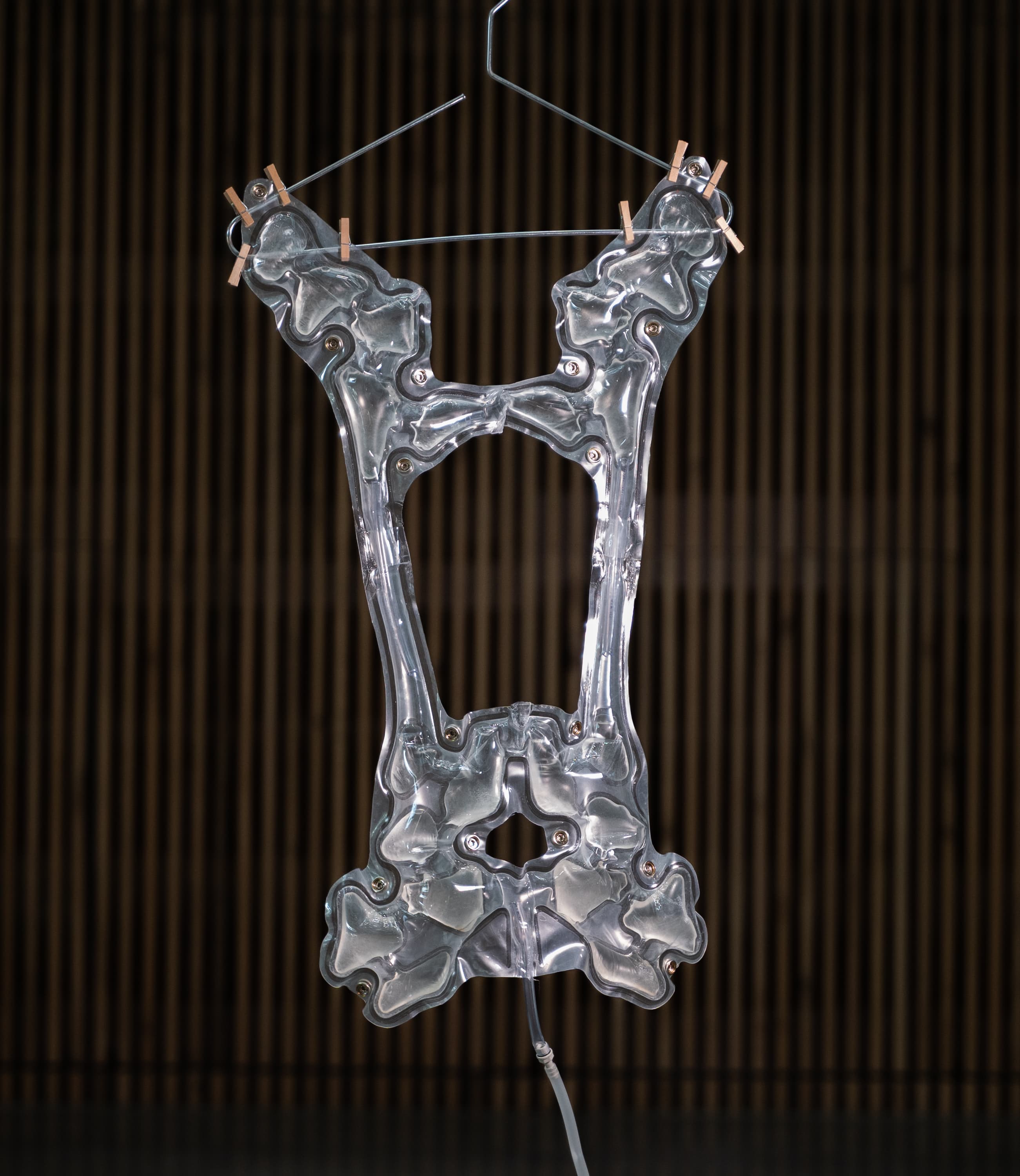
Phase change material absorbs and stores thermal energy while holding a constant, comfortable temperature, similar to how ice stays at 32°F as it melts. PCM pads in the vest are recharged by the vortex tube's cold air in about 5 minutes, then provide steady core body cooling for up to 1.5 hours.

Targeted cooling where it matters most
PCM pads are positioned over the skin areas most effective for core temperature regulation, while avoiding high-perspiration zones so the body's natural evaporative cooling continues uninterrupted.
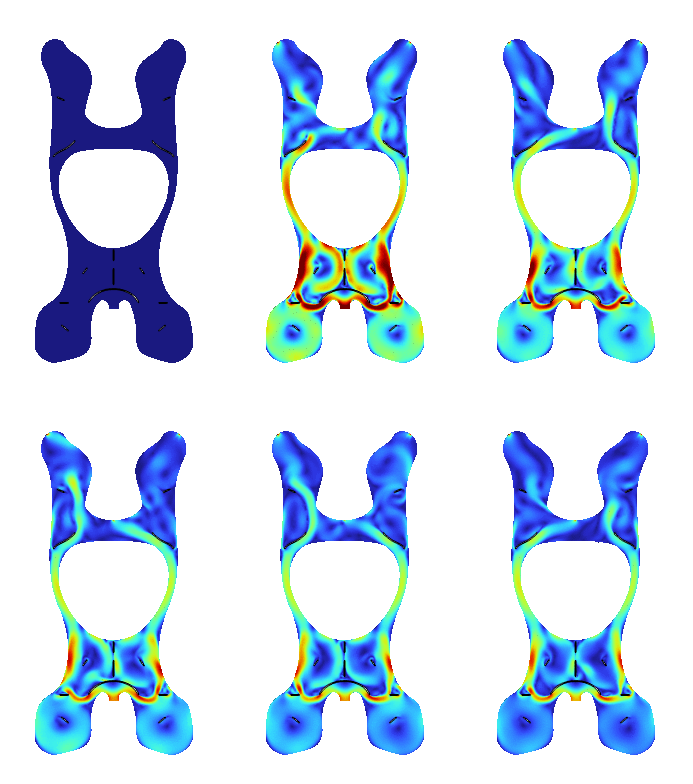
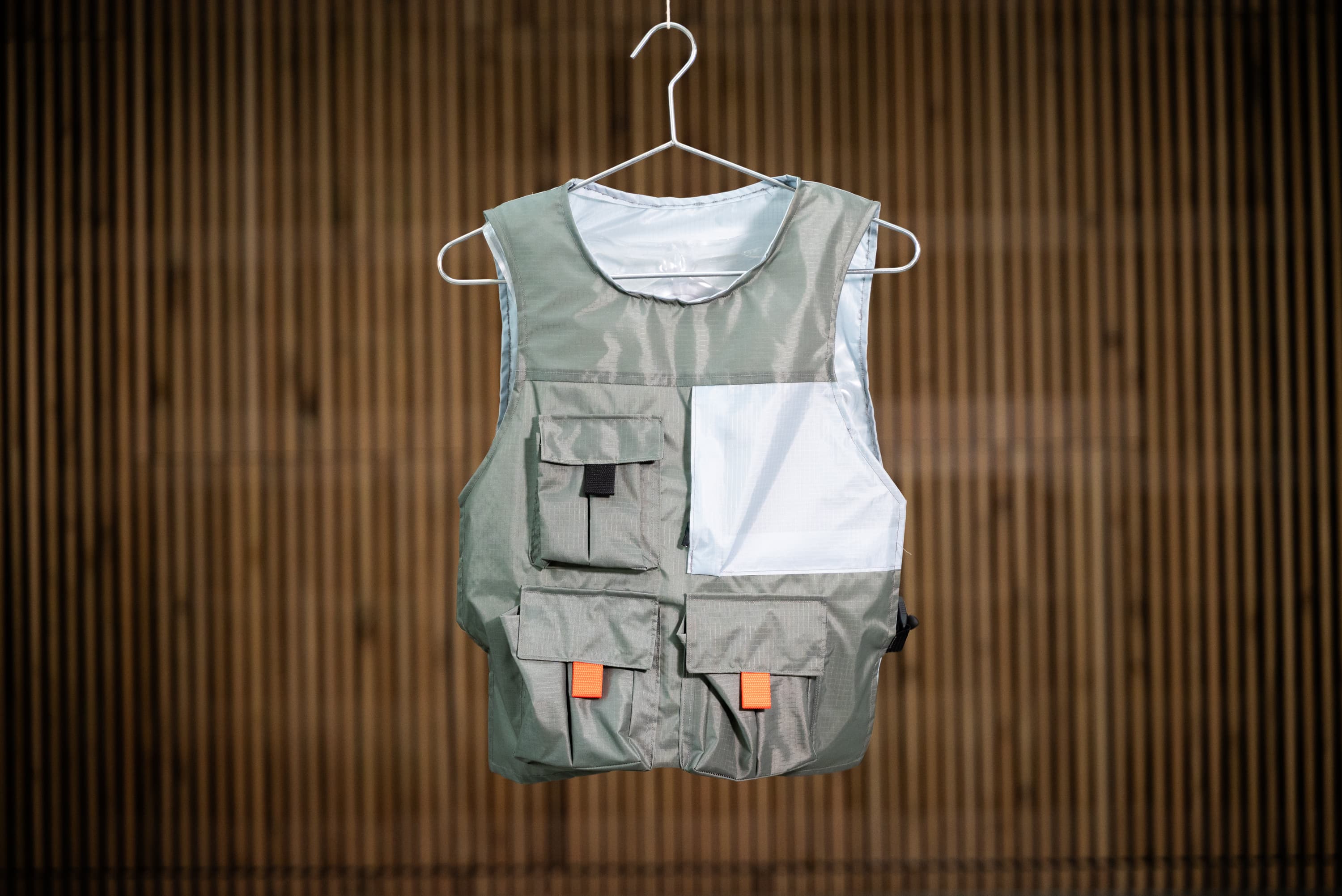
We used COMSOL Multiphysics to simulate airflow through the vest's internal passage geometry, iterating on channel width, routing, and outlet placement to maximize cooling efficiency. These simulations guided material selection: 7-ounce cotton and poly stretch ripstop for the shell, high-resistance mesh for airflow channels, elastic mesh panels for mobility, and reinforced stitching at high-friction contact points.

v1
v2
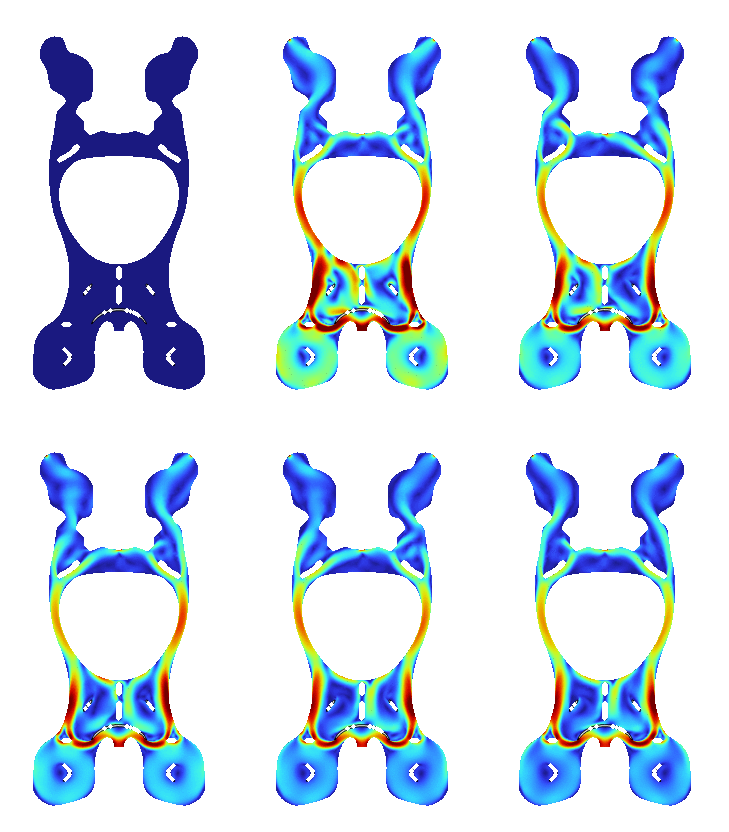
v3
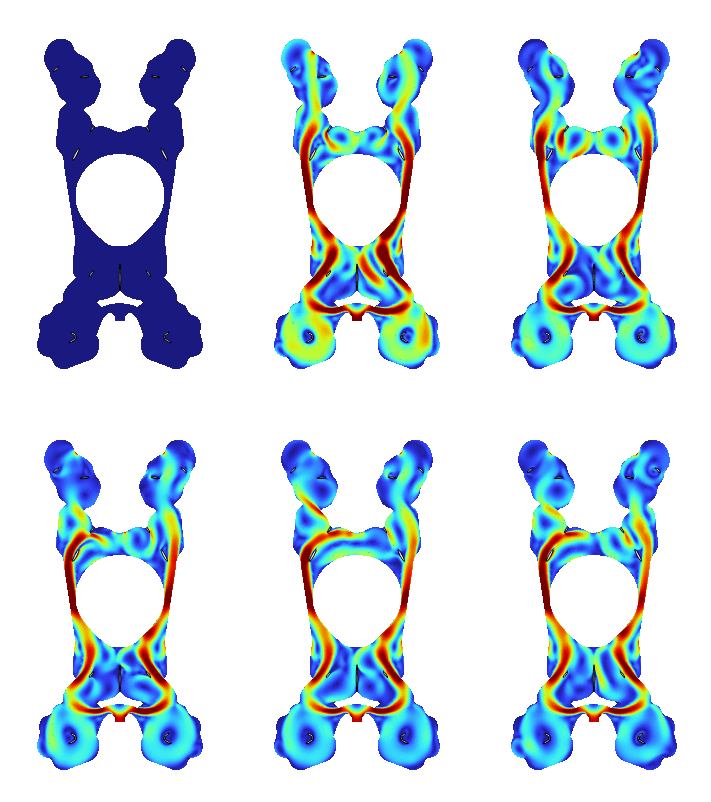
v4
Membrane construction, sewing, and ultrasonic welding
My role on the team was physical product design and fabrication. I led vest pattern design, sewing operations, and ultrasonic welding. The vest's internal membrane channels required ultrasonically welded seams to create airtight boundaries for both the chilled air passage and the liquid PCM layer. Mobility and ergonomics were shaped around the movements roofers actually make on the job: bending, reaching, and carrying loads across a pitched surface.
Key takeaways from this project
- Designing for adoption means understanding the power dynamics, incentives, and constraints of the ecosystem you're designing for, not just the end user.
- Combining existing technologies in a novel configuration can be more practical and impactful than inventing something new.
- Designing for an extreme environment forces every material and construction decision to be intentional. Pattern design, sewing, ultrasonic welding, and material selection all had to be driven by real job-site constraints.